
Is It Worth Living in Greece? What Problems Are Created for New Entrepreneurs?
Greece is a country known for its stunning landscapes, rich history, and vibrant culture. Over the past decade, however, it has also faced significant economic challenges that have impacted the lives of both residents and entrepreneurs. If you are considering relocating to Greece or starting a business there, it’s essential to weigh the pros and cons. In this article, we explore the benefits of living in Greece and the potential challenges new entrepreneurs face in this Mediterranean nation.
Living in Greece: An Overview
Greece offers an alluring lifestyle for expatriates and locals alike. The country’s stunning islands, warm climate, and relatively low cost of living make it an attractive destination for people seeking a better quality of life.
Psst… see that magical Donate button down there? It’s your chance to become our instant legend. Click it and help us keep this page going for all the brave souls seeking a new life abroad!
Lifestyle and Cost of Living
Greece provides a slower, more relaxed pace of life compared to many Western countries, and this Mediterranean lifestyle is a major draw for many. Outdoor dining, beautiful beaches, and friendly communities are common. Greece is also known for its emphasis on family, socializing, and work-life balance, which can be appealing for those looking to escape the high-pressure environments found in larger economies.
One of the key advantages of living in Greece is its relatively low cost of living. Compared to other European countries, rent, groceries, and basic utilities are generally affordable. For instance, renting a one-bedroom apartment in Athens can cost around €400–€600 per month, much lower than in other European capitals. Dining out is also inexpensive, with a meal at a local taverna costing about €10–€15.
Despite the affordability, incomes tend to be lower than in Northern and Western Europe. The average salary in Greece is about €12,000–€18,000 annually, depending on the sector, which can be challenging when trying to save or make long-term investments. However, for retirees, digital nomads, or those with remote jobs, the relatively low cost of living makes Greece an attractive option.
Healthcare and Education
Greece has a universal healthcare system that offers affordable access to medical care. Public healthcare facilities are generally adequate, but they can sometimes suffer from long waiting times and overcrowding, particularly in urban areas. Many expatriates and wealthier Greeks choose private healthcare, which offers faster and more specialized treatment options. Private healthcare can be expensive, but it is more affordable compared to other European countries.
For families with children, the quality of education in Greece is an important factor. Public schools are free, but classes are taught in Greek, which can pose a language barrier for expatriates. International schools, mainly located in Athens and Thessaloniki, offer English-language instruction, but they come with hefty tuition fees. Online resources, such as the Hellenic Ministry of Education, provide more details on the educational system and options for expatriates.
Natural Beauty and Cultural Heritage
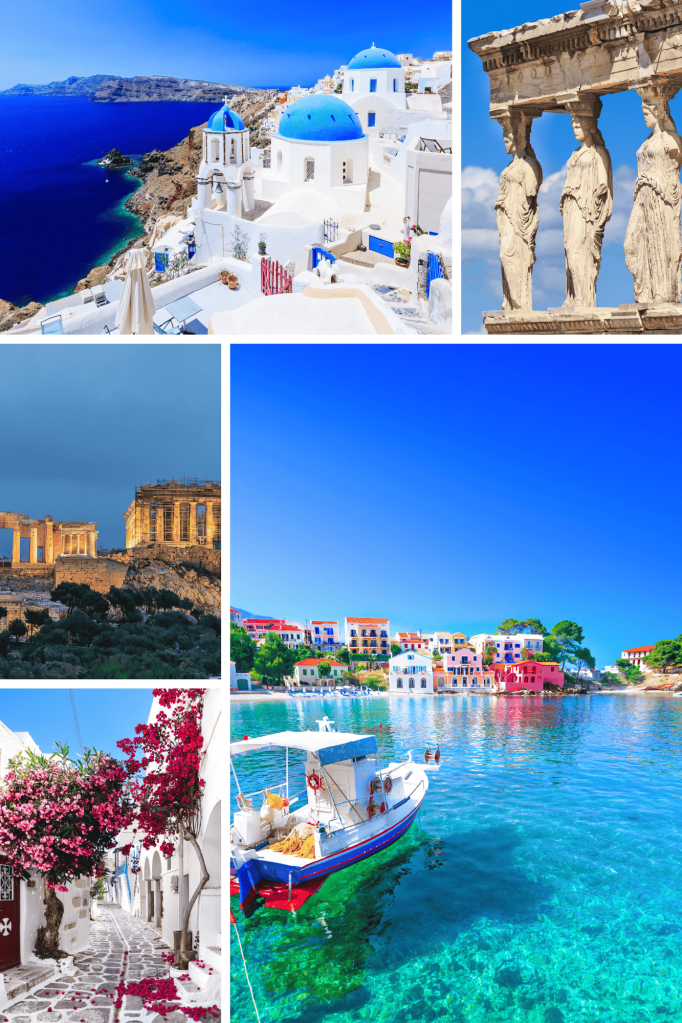
Greece’s landscape is undoubtedly one of the country’s major selling points. From the idyllic islands like Santorini and Mykonos to the rugged mountains and ancient ruins of the mainland, Greece offers countless opportunities for exploration and outdoor activities. Hiking, sailing, and visiting historical landmarks are everyday pleasures for those living in Greece.
Moreover, Greece’s rich cultural history adds depth to daily life. The birthplace of democracy, philosophy, and the Olympic Games, Greece is steeped in history, and its ancient monuments, such as the Parthenon in Athens, continue to attract millions of visitors each year.
For more details on living in Greece, you can explore the official Visit Greece tourism portal.
Starting a Business in Greece: Opportunities and Challenges
While Greece offers an appealing lifestyle, starting a business in the country presents a unique set of challenges, particularly for new entrepreneurs. Greece’s economic crisis, followed by a slow recovery, has left many structural issues that can complicate the entrepreneurial journey.
Opportunities for Entrepreneurs
Despite its economic struggles, Greece has emerged as a hub for entrepreneurs in certain sectors. Tourism, real estate, and agriculture remain strong industries, while the tech and startup sectors are growing steadily.
- Tourism: Greece remains one of the world’s top tourist destinations, welcoming more than 30 million visitors annually. Entrepreneurs in the tourism industry can find opportunities in hospitality, travel services, and specialized experiences, such as eco-tourism or luxury travel.
- Tech and Startups: Greece’s startup ecosystem is slowly gaining traction, with Athens leading the charge as the country’s startup capital. Numerous startup incubators and accelerators, such as The Egg and Corallia, have been established to support budding entrepreneurs. The Hellenic Development Bank also offers funding and resources to help new businesses grow.
- Real Estate: Real estate in Greece is attractive due to relatively low property prices compared to other European countries, and the government has introduced incentives such as the Golden Visa program, which grants residency to non-EU investors who purchase property worth at least €250,000.
More information on business opportunities and assistance can be found at the official Enterprise Greece website, which supports foreign investment and entrepreneurship in Greece.
Challenges for New Entrepreneurs
While there are clear opportunities, entrepreneurs must also be prepared to face several obstacles when starting a business in Greece. Many of these challenges stem from Greece’s complex regulatory environment, the lingering effects of the economic crisis, and bureaucratic inefficiencies.
1. Complex Bureaucracy
One of the most significant issues for entrepreneurs in Greece is the notorious bureaucracy. Setting up a business can be a time-consuming process, with entrepreneurs often having to navigate multiple layers of regulations and paperwork. This can lead to delays, confusion, and frustration, especially for non-Greek speakers.
The World Bank’s Ease of Doing Business Index ranks Greece 79th globally, which highlights some of the difficulties faced by businesses. These include lengthy procedures to register a company, obtain construction permits, and resolve legal disputes. Entrepreneurs should be prepared to hire local legal and accounting experts to help them navigate the regulatory landscape.
2. High Taxation
Another challenge for new businesses in Greece is the high tax burden. Corporate tax rates in Greece are currently 22%, which, while lower than during the height of the economic crisis, remains relatively high compared to other European countries. In addition to corporate taxes, businesses must also deal with Value-Added Tax (VAT), which is set at 24% for most goods and services, one of the highest rates in the EU.
High taxes can significantly eat into profits, especially for small businesses and startups. Entrepreneurs must carefully plan their finances and consider tax incentives or relief programs offered by the government.
3. Financial Instability and Access to Capital
While Greece’s economy has stabilized in recent years, it is still recovering from the 2008 financial crisis. This lingering instability has made it difficult for new entrepreneurs to secure funding and attract investors. Banks in Greece are often hesitant to lend to small businesses due to the high levels of non-performing loans in the country.
Many startups are forced to rely on personal savings or seek foreign investment, which can be difficult to secure. However, the emergence of venture capital firms and European Union funding programs, such as Horizon Europe, are helping bridge the gap.
4. Labor Market Challenges
Greece’s labor market can also be challenging for entrepreneurs. While wages are relatively low, the country’s strict labor laws and social security contributions can be burdensome. Hiring and firing employees can be a complex process, and labor disputes are not uncommon. Moreover, the Greek workforce has faced brain drain issues, with many highly skilled professionals leaving the country in search of better opportunities elsewhere.
This can make it difficult for businesses, especially in tech and specialized industries, to find and retain talent.
Is It Worth Living and Starting a Business in Greece?
Ultimately, whether it’s worth living and starting a business in Greece depends on your personal and professional goals. For individuals seeking a relaxed lifestyle in a culturally rich and naturally beautiful environment, Greece offers a high quality of life at a relatively affordable cost. The country’s warm climate, friendly communities, and historical significance make it an appealing place to settle.
However, for entrepreneurs, Greece presents a mixed picture. While there are opportunities, particularly in tourism, real estate, and tech, the complex bureaucracy, high taxes, and financial instability make it a challenging environment for starting and growing a business. Entrepreneurs must be well-prepared, patient, and resourceful to navigate the hurdles.
For further reading and information on relocating or starting a business in Greece, you can visit:
In conclusion, Greece is a fantastic country for living, but potential business owners must carefully weigh the challenges of entrepreneurship against the opportunities before making the leap.
Psst… see that magical Donate button down there? It’s your chance to become our instant legend. Click it and help us keep this page going for all the brave souls seeking a new life abroad!
You can see more on our website: metanasteusi.com
Discover more from Metanasteusi Means Immigration!
Subscribe to get the latest posts sent to your email.
 Metanasteusi Means Immigration!