
Netherlands: The Country with the Happiest Children in the World
The Netherlands is often hailed as one of the happiest countries globally, and what’s even more remarkable is that Dutch children consistently top global rankings for happiness. According to several studies, including reports from UNICEF, Dutch children rank highest in terms of overall well-being, education, safety, and mental health. But what makes the Netherlands such an ideal place for children to grow up, and what can other countries learn from this unique success story?
In this article, we explore the reasons behind the happiness of Dutch children, touching on the social structures, parenting styles, education system, and healthcare services that contribute to this phenomenon. We also provide useful links for immigrants who are considering making the Netherlands their home.
Psst… see that magical Donate button down there? It’s your chance to become our instant legend. Click it and help us keep this page going for all the brave souls seeking a new life abroad!
Why Are Dutch Children So Happy?
1. Balanced Education System
One of the key factors contributing to the happiness of Dutch children is the education system. The Netherlands promotes a well-rounded education that emphasizes both academic and emotional development. Schools in the Netherlands focus on more than just grades. Dutch students are encouraged to be creative, independent thinkers, and there’s less pressure compared to more exam-centric systems.
In Dutch primary schools, children are given ample opportunities for play and creativity, which is believed to contribute to their overall well-being. The Dutch schooling system also places a strong emphasis on social interaction and teamwork, building important life skills.
Moreover, the Netherlands has an inclusive education system, meaning children with learning difficulties or disabilities are integrated into the mainstream education system wherever possible. This inclusive approach not only benefits those with special needs but also fosters empathy and understanding among all students.
Parents and newcomers can learn more about the Dutch education system through the official Government of the Netherlands website.
2. Work-Life Balance
Dutch society places a high value on work-life balance, which directly impacts the happiness of children. Parents in the Netherlands work fewer hours compared to many other countries, and part-time work is widely accepted, particularly for women. This means that Dutch parents often have more time to spend with their children.
A typical Dutch family enjoys regular time together, whether it’s bike rides, weekend trips, or simply enjoying meals as a family. This family-centered approach is thought to contribute significantly to the happiness and emotional security of Dutch children.
Parents who want to know more about working in the Netherlands and family-friendly employment policies can visit Expatica for additional details.
3. Freedom and Independence
Dutch children enjoy a high level of freedom and autonomy from a young age. Parents in the Netherlands tend to take a “hands-off” approach, allowing their children the freedom to explore, make mistakes, and solve problems on their own. This parenting style builds confidence and independence, important traits that contribute to overall happiness.
In many Dutch towns and cities, it is not unusual to see young children walking or cycling to school without adult supervision. The country’s excellent infrastructure for cycling and pedestrian traffic makes this possible, creating a safe environment for children to navigate independently.
4. Play and Outdoor Time
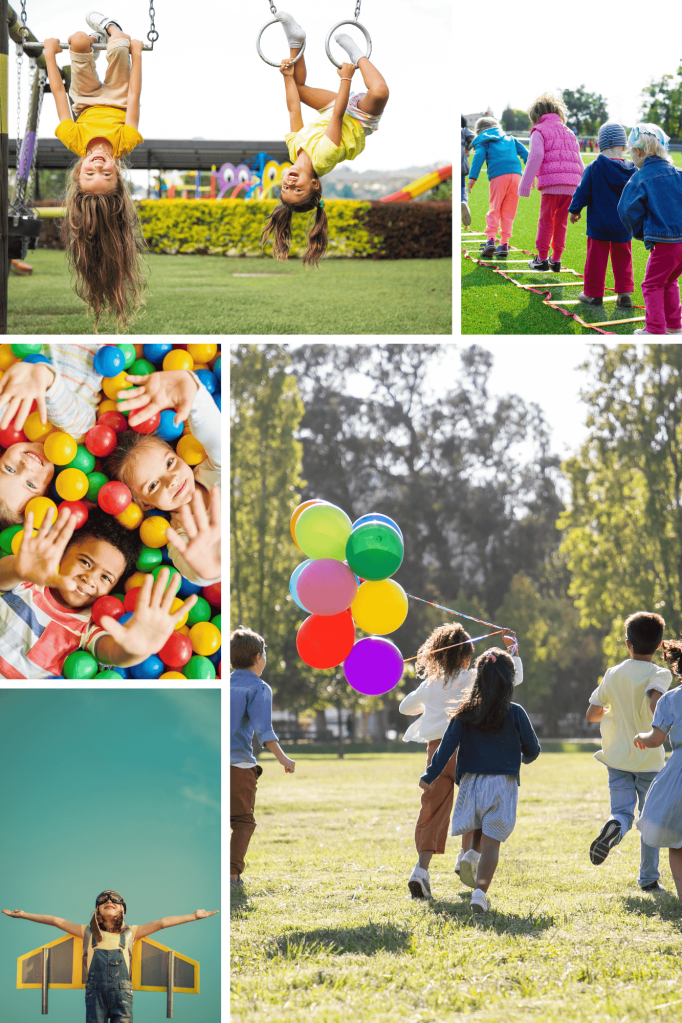
Another significant contributor to the happiness of Dutch children is the emphasis on play and outdoor activities. Children in the Netherlands spend a lot of time outside, whether it’s cycling, playing in parks, or engaging in team sports. Dutch society recognizes the importance of free play, which is not only essential for physical health but also for mental well-being.
Playgrounds are abundant in the Netherlands, and most neighborhoods have safe, accessible areas where children can run around freely. The Dutch also make a point of getting outdoors in all types of weather, promoting resilience and a connection to nature from a young age.
For parents looking to move to the Netherlands, websites like IamExpat offer a wealth of resources about family life and activities for children in the Netherlands.
5. Mental Health and Social Support
Dutch children also rank highly in mental health compared to their peers in other countries. The Dutch government has a robust mental health care system, with a strong emphasis on preventive care and early intervention. Schools often have counselors available, and children are taught from a young age about emotional well-being and coping strategies.
Additionally, the societal stigma around mental health is relatively low in the Netherlands, meaning that children and families feel more comfortable seeking help when needed. Open communication about feelings and emotions is encouraged within families and schools, helping children develop a healthy understanding of their mental well-being.
To access mental health services in the Netherlands, immigrants can explore resources provided by the Dutch Mental Health Organization.
6. Child-Centered Policies and Supportive Government Programs
The Dutch government takes a child-centered approach to policy-making, focusing on the long-term well-being of children. Social services in the Netherlands are among the best in the world, ensuring that children grow up in safe and nurturing environments.
The Dutch welfare system provides families with financial support, including child benefits (known as kinderbijslag) that help with the cost of raising children. The government also offers various parental leave options and subsidies for childcare, making it easier for parents to balance work and family life.
For detailed information about government benefits and services available to families, visit the Social Insurance Bank (SVB) website.
7. Healthy Diet and Lifestyle
Dutch children also benefit from a healthy diet and lifestyle. In the Netherlands, breakfast is considered the most important meal of the day, and many children enjoy a nutritious start with bread, cheese, and dairy products, all staples of the Dutch diet. Lunchtimes are typically simple and healthy, and dinner is a family affair where children eat balanced, home-cooked meals.
Moreover, the Dutch government and schools promote healthy eating habits and physical activity from an early age, leading to lower rates of childhood obesity compared to many other countries.
Parents moving to the Netherlands can find out more about Dutch eating habits and healthy living on Holland.com.
What Can Other Countries Learn from the Netherlands?
Countries around the world can draw valuable lessons from the Dutch model of raising happy children. The emphasis on work-life balance, independence, outdoor play, mental health, and a supportive education system all play key roles in fostering happiness.
Furthermore, the Netherlands shows the importance of creating safe environments where children can explore freely and the value of a society that prioritizes the well-being of both parents and children. Ensuring that parents have enough time to spend with their children, combined with robust social policies, is essential for raising well-adjusted and happy children.
Resources for Immigrants Moving to the Netherlands
If you’re considering moving to the Netherlands with your family, several online resources can help make the transition smoother:
- Expatica: Comprehensive information for expats, covering everything from finding a job to housing and healthcare.
- IamExpat: A great resource for international families, with articles on family life, education, and childcare in the Netherlands.
- Dutch Government Immigration and Naturalization Service (IND): Official information on visas, residence permits, and family reunification in the Netherlands.
- Holland.com: A guide for tourists and new residents, covering lifestyle, culture, and practical tips for living in the Netherlands.
At the bottom of the page there is a button to donate, support our page to continue to offer useful information for immigrants and students looking for a new life
Conclusion
The Netherlands has earned its reputation as the country with the happiest children in the world, thanks to its balanced approach to education, work-life balance, emphasis on outdoor play, and strong mental health support systems. These factors, combined with supportive government policies and a child-centric society, make the Netherlands an ideal place for children to thrive.
For immigrants considering a move to the Netherlands, this country offers a nurturing environment that prioritizes family well-being, making it a great choice for raising happy and healthy children.
Psst… see that magical Donate button down there? It’s your chance to become our instant legend. Click it and help us keep this page going for all the brave souls seeking a new life abroad!
See everything about immigration on our page : metanasteusi.com
Discover more from Metanasteusi Means Immigration!
Subscribe to get the latest posts sent to your email.
 Metanasteusi Means Immigration!