
Dreaming of starting a new life in Ireland? Known for its lush green landscapes and welcoming people, Ireland offers many opportunities. But before you pack your bags, it’s important to know the costs, salaries, and benefits of living there. This guide will help you understand the essentials.
Psst… see that magical Donate button down there? It’s your chance to become our instant legend. Click it and help us keep this page going for all the brave souls seeking a new life abroad!
Why Move to Ireland?
Ireland is a top choice for immigrants. It has a strong economy, a high standard of living, and excellent work opportunities.
The country is a tech hub, with companies like Google, Apple, and Facebook operating here. It’s also a great place for creatives and educators. The demand for skilled workers in healthcare, IT, and engineering is high.
Ireland’s location makes it ideal for exploring Europe. Plus, its rich culture, friendly locals, and vibrant cities add to its charm.
Salaries in Ireland
Salaries in Ireland are among the highest in Europe. The average monthly salary after taxes is around €3,000. However, this depends on your job and experience.
Here’s a breakdown of average salaries for popular jobs:
- Software Engineer: €50,000–€70,000 per year
- Nurse: €35,000–€50,000 per year
- Teacher: €30,000–€45,000 per year
- Hospitality Worker: €20,000–€30,000 per year
The national minimum wage is €11.30 per hour (as of 2024).
Cost of Living
Living in Ireland is not cheap, especially in cities like Dublin. However, salaries often offset these costs.
Housing Costs
Rent is one of the biggest expenses. Here’s what you can expect:
- One-bedroom apartment in Dublin: €1,600–€2,300 per month
- One-bedroom apartment outside Dublin: €1,000–€1,500 per month
- Sharing a house: €600–€900 per month
Finding affordable housing can be competitive, so start your search early.
Food and Groceries
Grocery costs depend on your lifestyle. A single person might spend around €250–€400 per month. Eating out is common, and prices are reasonable:
- Pub meal: €10–€15
- Coffee: €3–€4
- Three-course meal at a mid-range restaurant: €25–€40
Transportation
Public transport is reliable and affordable. Monthly public transport passes cost:
- Dublin: €120
- Smaller cities: €80–€100
Owning a car is more expensive due to insurance and fuel costs (around €1.80 per liter).
Healthcare in Ireland
Ireland offers public and private healthcare. Residents can access public healthcare at subsidized rates, but waiting times can be long.
Private health insurance is common and costs around €1,000–€2,000 per year, depending on your coverage. EU citizens can use their European Health Insurance Card (EHIC) for basic services.
Work Visas and Residency
Ireland has specific visa options depending on your situation.
EU/EEA Citizens
If you’re from the EU or EEA, you don’t need a visa to live or work in Ireland.
Non-EU/EEA Citizens
You’ll need a visa to work or study in Ireland. Here are common visa types:
- Critical Skills Employment Permit: For high-demand professions like IT and healthcare.
- General Employment Permit: For other professions, provided there’s no local candidate available.
- Student Visa: Allows you to study and work part-time.
Residency permits are required for long-term stays. Always check the latest requirements through Ireland’s official immigration website.
Taxes in Ireland
Ireland uses a progressive tax system. Income tax rates are:
- 20% on income up to €40,000
- 40% on income above €40,000
Social security contributions, called PRSI, are also deducted from salaries. Employers often handle these deductions.
Ireland offers tax incentives for foreign workers, such as the Special Assignee Relief Programme (SARP). This can reduce your tax bill significantly.
Benefits of Living in Ireland
1. Career Opportunities
Ireland’s booming economy provides excellent job prospects, especially in tech and healthcare.
2. High Standard of Living
While costs are high, the quality of life in Ireland is equally impressive.
3. Education
Ireland has a top-notch education system. If you’re moving with kids, they’ll benefit from excellent schools.
4. Scenic Beauty
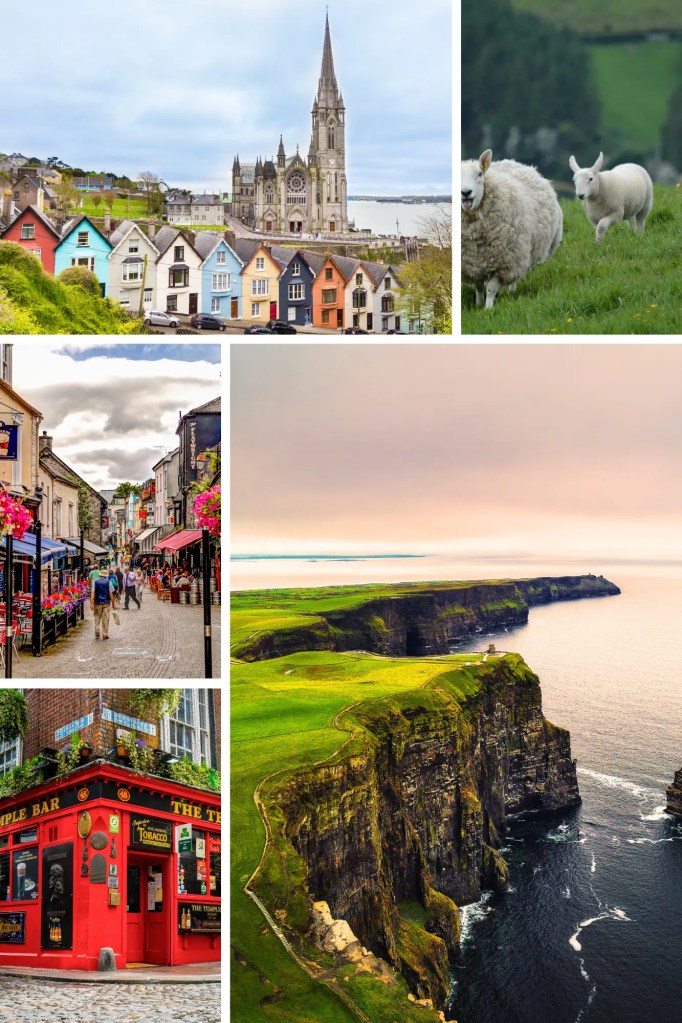
From the Cliffs of Moher to vibrant cities like Galway, Ireland offers breathtaking landscapes and rich culture.
5. Community
Ireland is known for its welcoming locals and lively social scene.
Challenges to Consider
1. High Cost of Living
Housing is expensive, especially in Dublin. Consider smaller cities or towns to save on rent.
2. Weather
Ireland’s weather can be unpredictable. Expect rain, even in summer.
3. Bureaucracy
Visa applications and permits can take time. Start early to avoid delays.
Tips for Moving to Ireland
- Budget Carefully: Factor in rent, utilities, and other costs.
- Learn About Taxes: Understand Ireland’s tax system to avoid surprises.
- Start Job Hunting Early: If you need a visa, secure a job before moving.
- Use Public Transport: It’s affordable and reliable.
Useful Links
Here are two resources to help you plan your move:
Final Thoughts
Immigrating to Ireland is a big decision, but it’s one that can bring great rewards. From career growth to a high quality of life, Ireland has much to offer.
Plan your move carefully, research visa requirements, and budget for living expenses. Whether you’re chasing career opportunities or seeking a better lifestyle, Ireland might just be the perfect place for you.
Psst… see that magical Donate button down there? It’s your chance to become our instant legend. Click it and help us keep this page going for all the brave souls seeking a new life abroad!
You can see more on our website: metanasteusi.com
Discover more from Metanasteusi Means Immigration!
Subscribe to get the latest posts sent to your email.
 Metanasteusi Means Immigration!