
The Faroe Islands, a group of stunning islands located between Iceland and Norway, have emerged as a unique and attractive destination for expats looking for a peaceful, nature-filled life. Known for its breathtaking landscapes, close-knit communities, and growing economy, the Faroe Islands offer opportunities for professionals and families seeking a different way of living.
If you’re considering immigration to the Faroe Islands, this comprehensive guide will cover everything you need to know, including visa requirements, cost of living, salaries, and the benefits of living in this Nordic paradise.
Psst… see that magical Donate button down there? It’s not just a button—it’s your chance to become our instant legend. Click it and help us keep this page going for all the brave souls seeking a new life abroad.
Why Immigrate to the Faroe Islands?
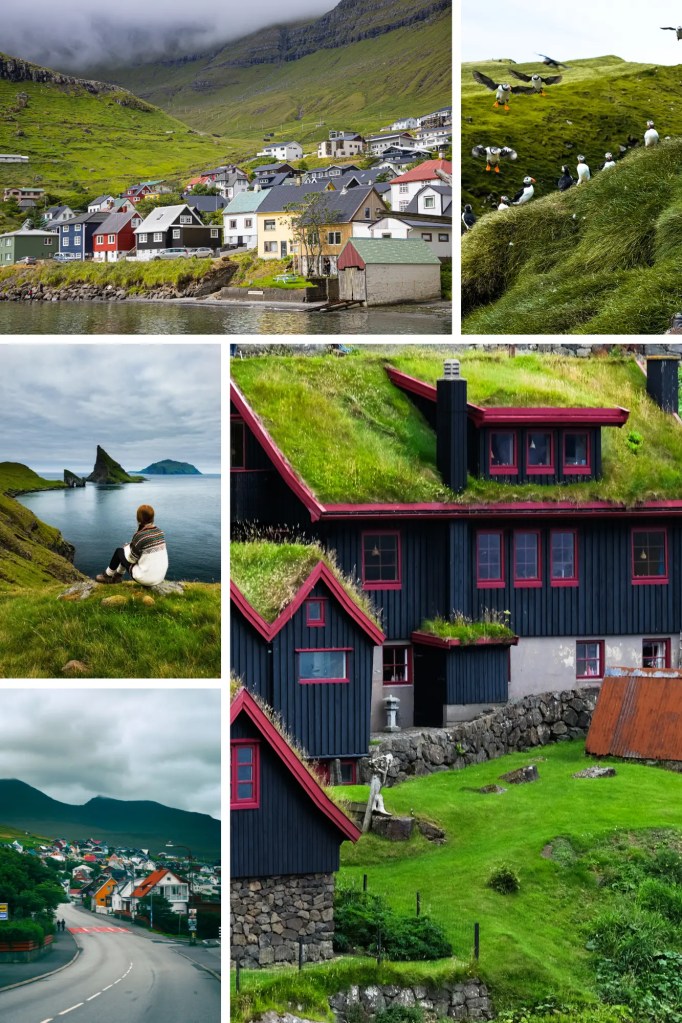
The Faroe Islands are ideal for individuals who value tranquility, nature, and a slower pace of life. With its picturesque fjords, hiking trails, and welcoming communities, this hidden gem is perfect for those wanting to escape the hustle and bustle of big cities.
Here are some key reasons why expats are drawn to the Faroe Islands:
- Stunning natural beauty with dramatic cliffs, waterfalls, and lush green landscapes.
- Growing job market in sectors like fishing, tourism, IT, and energy.
- Safe and secure living, with low crime rates and strong community values.
- Work-life balance supported by shorter commutes and ample time for outdoor activities.
Visa and Residency Requirements for the Faroe Islands
The Faroe Islands are a self-governing territory under the Kingdom of Denmark but are not part of the European Union (EU) or the Schengen Area. Therefore, visa and residency rules differ slightly from mainland Denmark.
For Nordic Citizens:
If you are a citizen of a Nordic country (Denmark, Norway, Sweden, Finland, or Iceland), you can move to the Faroe Islands without a visa or residence permit.
For EU/EEA Citizens:
EU/EEA citizens can stay in the Faroe Islands for up to 3 months without a visa. For stays longer than 3 months, you must apply for a residence permit.
For Non-EU Citizens:
Non-EU citizens must obtain a work and residence permit before relocating to the Faroe Islands. Here’s an overview of the process:
- Job Offer: You need a confirmed job offer from an employer in the Faroe Islands.
- Work Permit Application: Your employer can assist you in applying for the permit.
- Residence Permit: Once your work permit is approved, you can apply for a residence permit to live in the Faroe Islands.
For further details on visa requirements, visit the official Government of the Faroe Islands Immigration Page.
Job Market and Salaries in the Faroe Islands
The Faroe Islands have a relatively small but growing job market, with opportunities in key industries. Many expats are drawn to work in fishing, IT, energy, tourism, and education.
Key Sectors Hiring Expats:
- Fishing and Aquaculture: The fishing industry is the backbone of the Faroese economy, offering jobs in fish processing, logistics, and marine-related roles.
- Information Technology (IT): The IT sector is expanding, with demand for software developers, network engineers, and digital specialists.
- Tourism: With the increase in visitors, roles in hospitality, tour guiding, and travel services are growing.
- Energy: Renewable energy, including wind and hydro power, is a developing sector with job potential.
- Education: English teachers and professionals with expertise in specialized subjects are also in demand.
Average Salaries:
Salaries in the Faroe Islands reflect the relatively high cost of living but also ensure a comfortable standard of life. Here are some approximate monthly salaries for key professions:
- Software Developer: DKK 35,000 – DKK 45,000 ($5,000 – $6,500)
- Fisherman/Marine Worker: DKK 30,000 – DKK 40,000 ($4,300 – $5,700)
- Tourism Professional: DKK 25,000 – DKK 35,000 ($3,600 – $5,000)
- English Teacher: DKK 20,000 – DKK 30,000 ($2,900 – $4,300)
Salaries may vary depending on the industry, qualifications, and location within the islands.
Cost of Living in the Faroe Islands
While the Faroe Islands offer a high quality of life, the cost of living can be relatively expensive due to the remote location and reliance on imports.
Housing Costs:
- One-bedroom apartment in Tórshavn city center: DKK 7,000 – DKK 9,000 ($1,000 – $1,300)
- One-bedroom apartment outside the city center: DKK 5,000 – DKK 7,000 ($700 – $1,000)
Utilities and Internet:
- Average monthly utilities for an 85m² apartment: DKK 1,000 – DKK 1,500 ($150 – $215)
- High-speed internet: DKK 400 – DKK 600 ($60 – $85)
Transportation:
- Monthly public transport pass: DKK 300 – DKK 500 ($45 – $70)
- Petrol (per liter): DKK 12 ($1.75)
Food and Dining:
- Meal at an inexpensive restaurant: DKK 150 – DKK 200 ($20 – $30)
- Monthly groceries for one person: DKK 2,500 – DKK 3,500 ($350 – $500)
For a family of four, the estimated monthly cost of living ranges between DKK 20,000 – DKK 30,000 ($2,900 – $4,300), depending on lifestyle choices.
Benefits of Living in the Faroe Islands
Living in the Faroe Islands offers numerous benefits for expats, including:
- High Quality of Life: With its clean environment, safe communities, and access to healthcare, the Faroe Islands provide a great standard of living.
- Nature and Outdoor Activities: Endless opportunities for hiking, fishing, birdwatching, and exploring scenic landscapes.
- Work-Life Balance: Short commutes and a relaxed lifestyle allow for more time with family and outdoor pursuits.
- Strong Community Values: The Faroese people are known for their friendliness and hospitality.
- Stable Economy: Supported by strong industries like fishing and energy, the economy offers stability for job seekers.
Challenges to Consider
While the Faroe Islands offer many advantages, there are a few challenges to keep in mind:
- Weather: The climate is often rainy, windy, and cool throughout the year.
- Limited Entertainment: While beautiful, the islands have fewer entertainment options compared to larger cities.
- Isolation: The remote location may feel isolating for some expats.
- High Costs: Imported goods and housing can be expensive.
Conclusion: Is the Faroe Islands Right for You?
Immigrating to the Faroe Islands offers a unique experience filled with natural beauty, safety, and a growing economy. With opportunities in key industries like fishing, IT, and tourism, the Faroe Islands are an excellent choice for adventurous expats seeking a peaceful and fulfilling life.
If you’re ready to make the move, start by researching job opportunities, securing a work permit, and exploring housing options. For more information, check out the Work in the Faroe Islands website to begin your journey.
Whether you’re captivated by the stunning landscapes, the strong sense of community, or the growing job market, the Faroe Islands could be your perfect new home.
Psst… see that magical Donate button down there? It’s not just a button, it’s your chance to become our instant legend. Click it and help us keep this page going for all the brave souls seeking a new life abroad!
You can see more on our website: metanasteusi.com
Discover more from Metanasteusi Means Immigration!
Subscribe to get the latest posts sent to your email.
 Metanasteusi Means Immigration!